What conditions are treated?
Cryotherapy can be used for a number of different skin conditions such as:
- Warts and veruccas
- Seborrheic warts
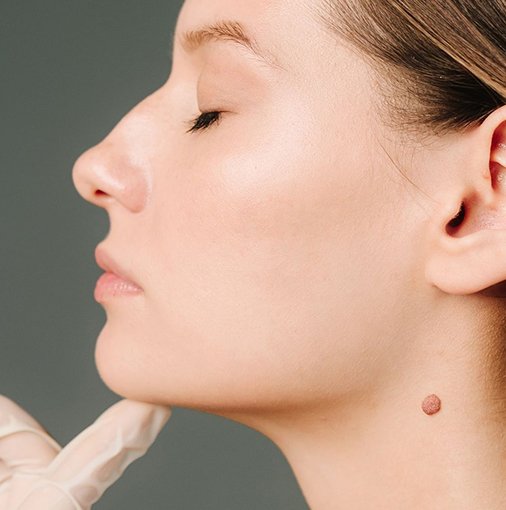
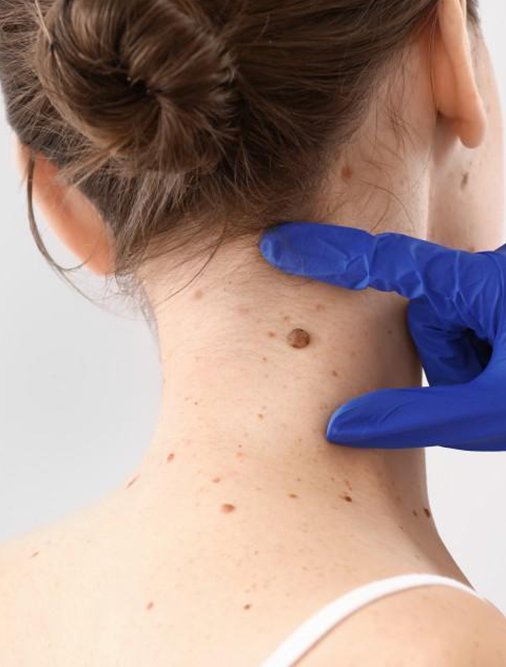
- Small fleshy growths and similar small ‘lumps and bumps’ on the skin that are ideal for liquid nitrogen treatment.
What does the procedure involve?
The liquid nitrogen is usually applied using a spray gun or cotton bud for about 10 to 30 seconds. It feels cold, but most people find the discomfort quite bearable. A Pharmacist or Trained Professional may carry out your treatment.
What are the risks and side effects of this treatment?
Cryotherapy is a safe and reliable treatment, and the cosmetic result is usually very good, however:
- Cryotherapy may not completely destroy the abnormal cells. Depending on the nature of the lesion, more than one treatment may be necessary, and this is usually repeated at regular intervals.
- Very rarely, a scar may form, especially if a deep freeze has been necessary (such as to treat a basal cell carcinoma).
- Pigmentation changes – the skin on and around the treatment site may lighten or darken in colour, especially in dark skinned people.
After treatment?
Within 24 hours, the treatment skin will become red and swollen. The degree of swelling will depend on the site and the duration of freezing. This is normal.
- If the area is very sore, paracetamol or a similar pain killer using the recommended dosage may be taken.
- The redness and swelling usually lasts for a few days. Sometimes, a blister will form (blood in a blister is not sinister) just as with a burn. If this happens, keep the area clean. If necessary, do this using a dry dressing. If the blister becomes uncomfortable, use a clean needle to release the fluid.
- A scab will form after a few days. This will normally come off approximately 10 days later, leaving a pinkish coloured area underneath which will gradually fade. You should allow the scab to fall off naturally.
- You should be able to wash the area normally, but do not rub the area when drying with a towel – instead, pat the area dry.
- Do not go swimming until the area has scabbed over.
If you have any problems such as severe pain, swelling that does not respond to simple painkillers, you are concerned about infection, or if any change occurs that has not been covered by the above explanations, contact us
DISCLAIMER
This service will not diagnose or treat a health problem or disease. We strongly advise you to seek medical advice should you be concerned about any related health matters.