1895
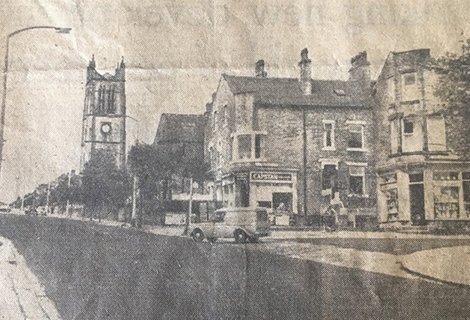
Heath Pharmacy Founded
Heath Pharmacy Founded: Clement Fielding, a scientist and botanist, established Heath Pharmacy. His unique approach included counter-prescribing and performing tooth extractions—services that were common in the 19th century but are no longer practiced today. He was well-regarded for his botanical knowledge and innovative use of natural remedies. Clement’s enthusiasm for his work, despite his youth, led to a solid reputation for the pharmacy.
1923
R.H. Brown Ownership
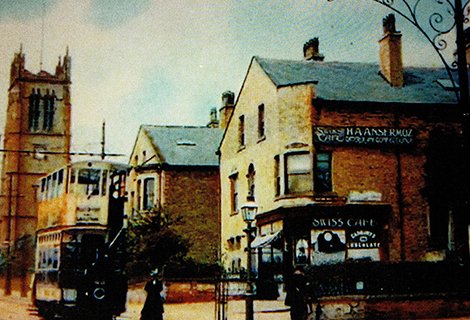
R.H. Brown took over the pharmacy. He faced challenges, including traveling daily from Leeds, which impacted the pharmacy’s operations. Despite his efforts, the business struggled, leading to a decrease in customers. Brown’s management style and practices, like not always maintaining hygiene standards, reportedly alienated some local patrons.
1928
W. Josty Ownership
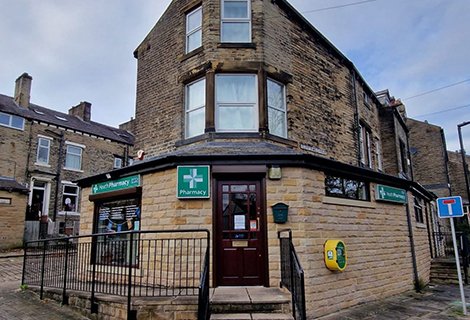
W. Josty, a former Boots manager, bought the pharmacy but was unable to restore it to its former success. During his time, the pharmacy struggled with the economic depression and Josty’s methods, including attempting to produce his own products like toothpaste, which was not well-received. This period has been described as one of the pharmacy’s lowest points.
1935
H.C. Priestley Ownership
The pharmacy came under the ownership of H.C. Priestley, a chemist’s son from Bradford. Priestley revitalized the business, improving both its reputation and operations. His entrepreneurial approach set the business back on a path of success, and he was well-liked for his dedication and forward-thinking attitude.
1942
Elsie Walton’s Leadership
Miss Elsie Walton took over the pharmacy during World War II. She continued running it successfully and later married Harold Auld, a pharmacist. Their partnership was instrumental in navigating the post-war economy, and the pharmacy flourished under their ownership for 13 years.
1955
Sutcliffe Family Acquisition
Heath Pharmacy was purchased by Fiona and George Sutcliffe. The Sutcliffes were passionate about their new venture and made significant upgrades to the property, including expanding the pharmacy and acquiring the remaining portion of the building. They modernized the business, bringing in more customers and establishing a stronger local presence. George famously described the shop as “the last word in late-Victorian elegance.”
1960
Acquisition of Mrs. Fielding’s Home
After Mrs. Clement Fielding, the widow of the founder, passed away, the Sutcliffes acquired the rest of the building, including the living room where Clement once worked. This space was transformed into a new dispensary to accommodate the growing business.
1975
Ownership Transfer to John E. Pyke
John E. Pyke took ownership of Heath Pharmacy. Pyke’s time at the pharmacy was relatively short, lasting just over two years, before the pharmacy was sold to K.R. Rutter.
1977
K.R. Rutter Ownership
K.R. Rutter, an entrepreneur with several chemist shops in Leeds, purchased Heath Pharmacy. He expanded the business and appointed David Wilkinson, a former employee, to run the pharmacy. Rutter’s management helped stabilize the business, but it was under Wilkinson’s leadership that significant changes occurred.
1979
David Wilkinson Takes Over
David Wilkinson, after marrying Jayne, became the new manager and later the owner of Heath Pharmacy. Under David’s leadership, the business underwent major renovations, including changes to the dispensary layout and modernization of the pharmacy’s infrastructure. The addition of a prescription delivery service and the introduction of a monitored dosage system helped meet the needs of a growing customer base.
1992
David Wilkinson Purchases Heath Pharmacy
After working at the pharmacy for 15 years, David Wilkinson purchased Heath Pharmacy from K.R. Rutter Ltd. He continued expanding the pharmacy’s services, refitting the dispensary, and providing better customer service. He also began training pharmacy students, becoming a mentor for many aspiring pharmacists.
2001
Calderdale Royal Infirmary Closure
The closure of Calderdale Royal Infirmary and the opening of Calderdale Royal Hospital marked a significant shift in the area’s healthcare landscape. Despite the changes, Heath Pharmacy maintained its strong presence and continued providing essential services.
2008
Expansion and Modernization
The pharmacy underwent a significant renovation, including the extension of the ground floor to create a new shop front and additional consulting rooms. The new consulting room allowed for private consultations, including medicine reviews and other patient services.
2019
COVID-19 Pandemic Response
During the COVID-19 pandemic, Heath Pharmacy faced immense challenges. The staff worked tirelessly to ensure patients had access to essential medications and healthcare services. The pharmacy became a critical part of the local response to the pandemic, providing necessary support to the community during a difficult time.